
Hage Fence
Living here in St. Petersburg means spending most of your time outside. Whether your home sits near the pink Vinoy Hotel downtown or back in Meadowlawn, outdoor living is a big part of daily life. Many homes in Snell Isle or Shore Acres feature backyard swimming pools. Other families in Kenwood have dogs that love to run outside all afternoon.
Keeping your yard safe takes real planning. Open water attracts small kids in a second. Busy street traffic puts loose pets in immediate danger. On top of that, sandy dirt and summer rainstorms test every fence post in Pinellas County.
Our family was born and raised right here in St. Pete. Our team has coached local youth sports and built fences across every part of town. This local guide covers what you need to know about pool safety, pet containment, and city rules.
Local Fence Challenges: Sand, Water, and Tree Roots
Building a strong fence in St. Petersburg is not like building anywhere else. Our local ground consists mostly of brown dirt and loose sand. Cheap contractors often set posts too shallow in this soft ground. When heavy summer rains flood low areas like Shore Acres, shallow posts quickly shift and lean. Setting posts deep with full concrete footings keeps your fence straight for years.
Big trees present another challenge for local homeowners. Neighborhoods like Historic Old Northeast and Kenwood feature massive Oak trees and wide Banyan trees. Thick tree roots ruin fence lines if you dig without a plan. We carefully map out post positions around major roots so your trees stay healthy while your yard stays secure.
City permits and HOA rules also require local knowledge. Before starting any project, checking official St. Petersburg pool permits helps you understand local barrier rules. In Placido Bayou, board rules are strict regarding fence styles. In Historic Kenwood, historic rules only permit wood or aluminum fence builds. Standard city codes cap backyard fences at six feet tall, though properties near Upham Beach can sometimes extend up to eight feet due to taller multi-story homes.
Key Features of a Safe Backyard Fence
When you install a fence for pool safety or pet containment, specific construction choices protect your family best:
1. Correct Post Height
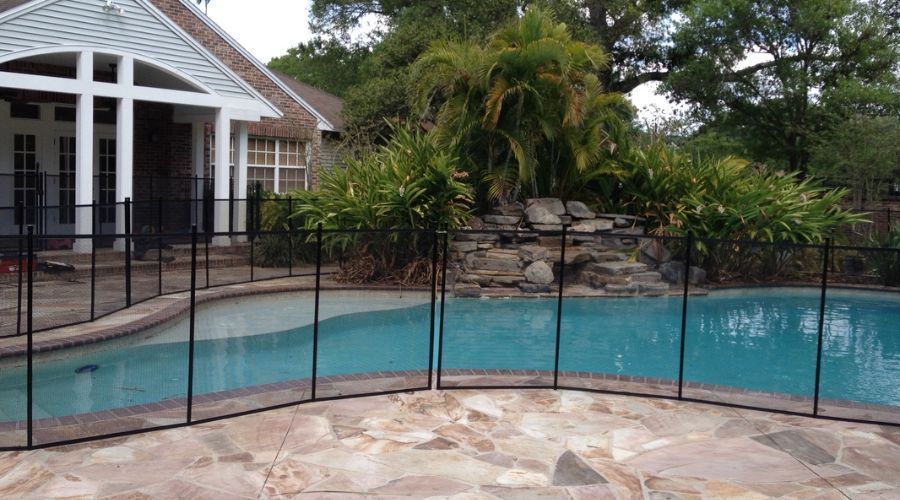
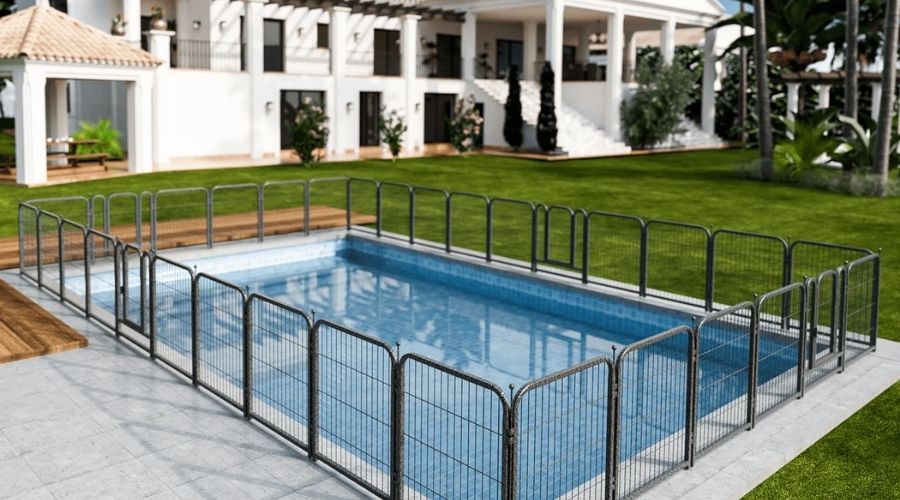
Florida pool rules demand a minimum fence height of four feet. This height stops toddlers from climbing into pool areas when adults look away.
2. Self-Closing Pool Gates
Gates often get left open by accident. A proper self-closing gate pulls itself shut every single time someone passes through.
3. Child-Proof Safety Latches
Latches must sit high on the inside of the gate door. Placing latches out of small hands keeps pool areas locked tight.
4. Tight Picket Spacing
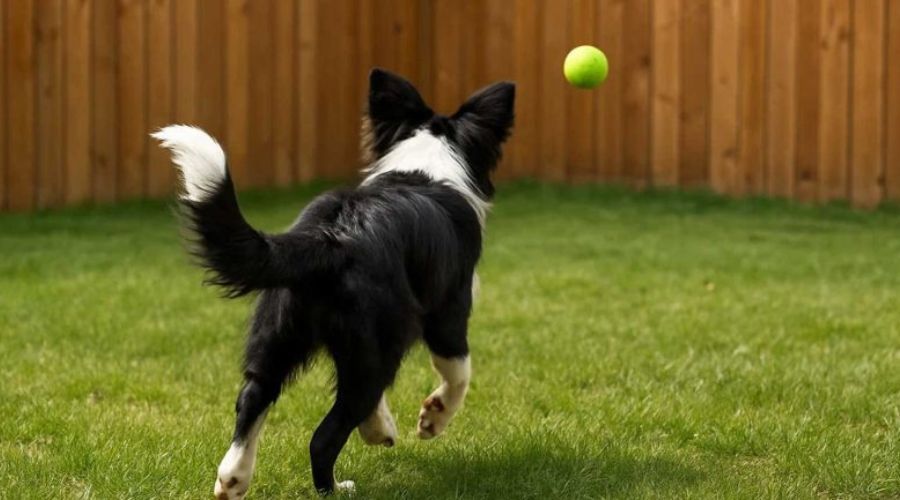
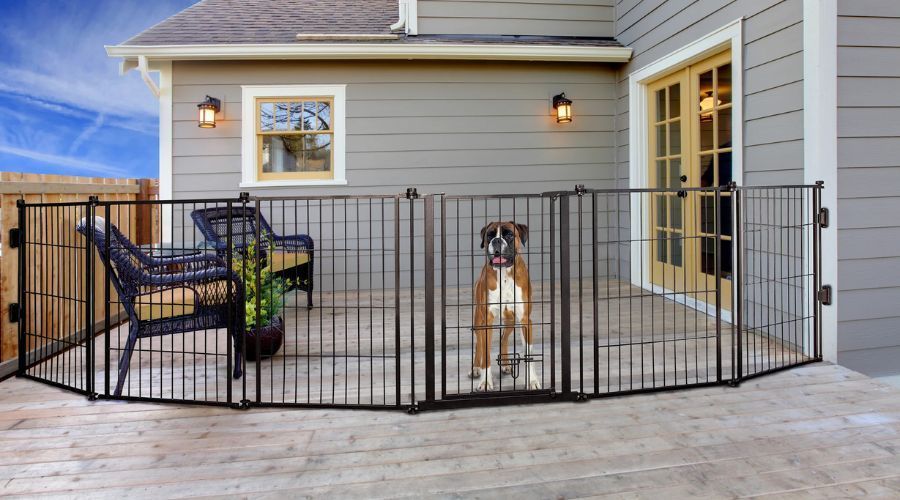
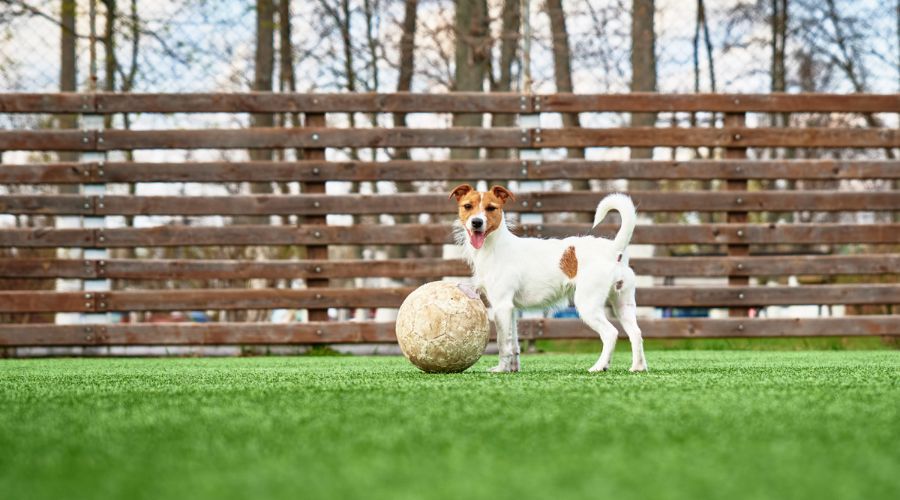
Small dogs can squeeze through wide gaps between pickets. Tight picket spacing keeps your pets safely inside your yard. While strong fencing stops pets from escaping, reading pet emergency tips provides extra safety for your animals.
5. Smooth Outer Surfaces
Smooth fence faces eliminate horizontal rails on the outside. This stops adventurous kids from using parts of the fence as steps.
6. Rust-Proof Hardware
Salty air from Tampa Bay eats cheap metal hardware fast. Heavy stainless steel hardware prevents rust and gate failure over time.
Comparing Aluminum and Vinyl for St. Petersburg Yards
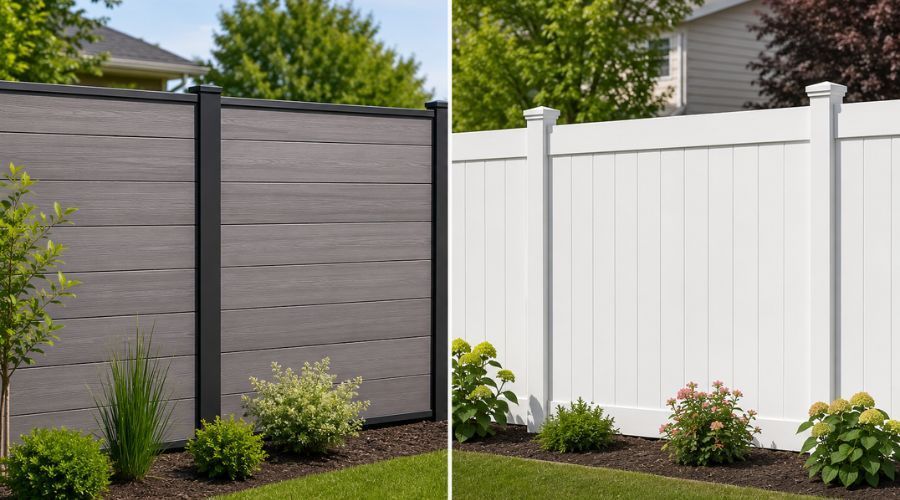
Selecting the right material keeps your yard looking great while staying secure. Aluminum and vinyl stand out as top choices for local backyards.
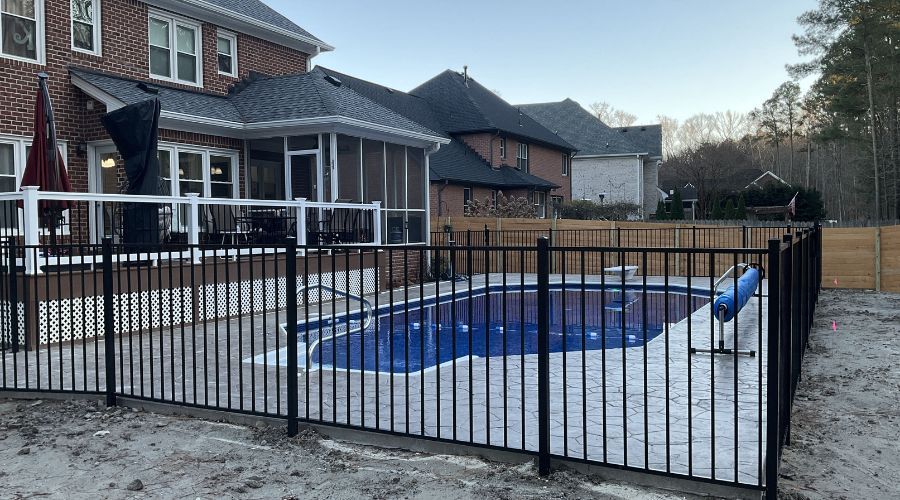
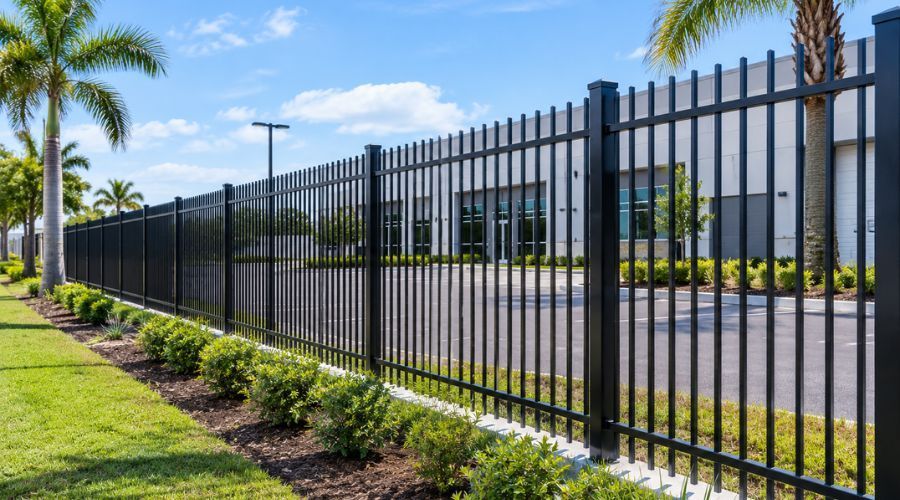
If you want clear sight lines across your pool area, look at our aluminum pool fencing options. Aluminum handles salty coastal air without rusting. We built our very first aluminum fence out in Venetian Isles years ago, and it remains a popular choice for waterfront lots.
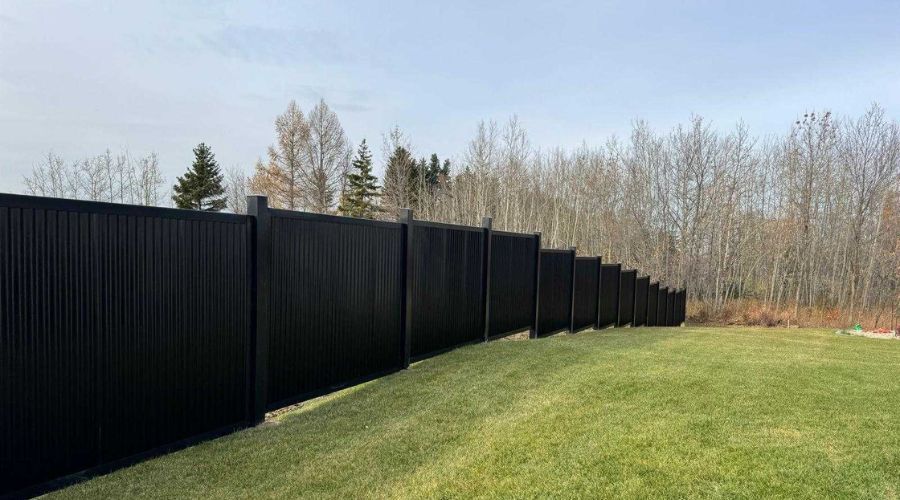
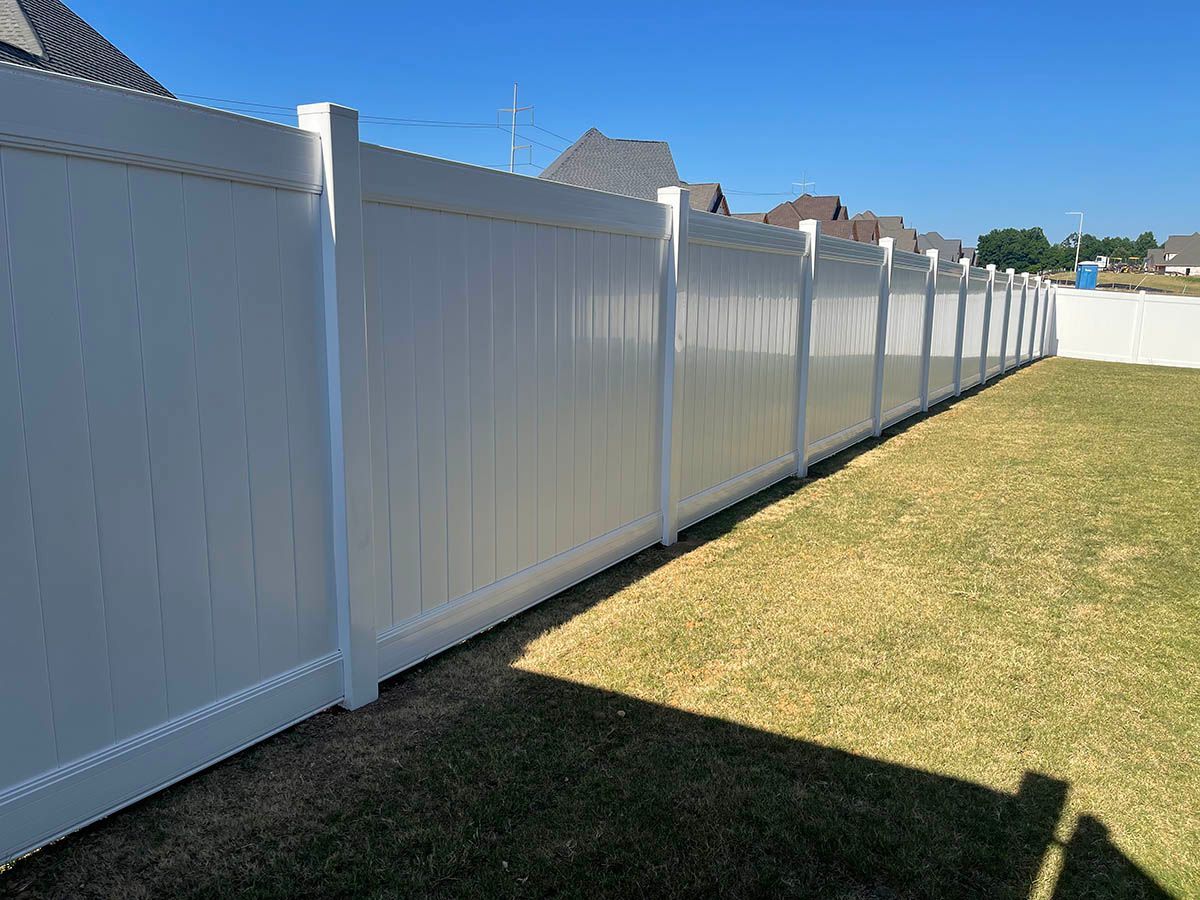
If you want total privacy around your back patio, choose vinyl fencing for pets. Solid vinyl panels block views from nearby neighbors and stand up well against heavy rain and moisture.
Here is how both options perform in our local area:
| Yard Priority | Aluminum Fencing | Vinyl Fencing |
|---|---|---|
| Pool Code Compliance | Meets All Local Codes | Meets All Local Codes |
| Yard Privacy | Open View | Full Privacy |
| Sand and Salt Defense | Excellent (No Rust) | Excellent (No Rot) |
| Pet Security | High (Tight Picket Spacing) | High (Solid Panel Barrier) |
| Historic District Rules | Approved for Historic Kenwood | Restricted in Some Districts |
Preventing Sagging Gates and Wind Damage

High winds and tropical storms hit Pinellas County every year. Strong wind gusts cause weak fences to blow over or bend out of shape. In neighborhoods with narrow alleys, loose gates also take frequent damage from passing trash trucks.
The gate is the most active part of any fence line. Heavy gate doors often drag on sandy ground if hinges are cheap or installed poorly. Choosing secure residential gate installation keeps your gates swinging smoothly above the dirt. We use self-closing hinges and heavy latches that stay aligned even after severe seasonal storms.
Frequently Asked Questions
What fence height does St. Petersburg require for home pools?
St. Petersburg pool code mandates a minimum fence height of 48 inches with a self-closing, self-latching gate.
Will aluminum fencing hold up near saltwater canals?
Yes. High-grade aluminum features a tough powder coating that stops rust from salt spray along local waterways.
How do you build fences near large Oak tree roots?
We inspect root lines before digging and adjust post placement so your trees stay healthy and your fence stays straight.
Protect Your Backyard with Hage Fence
Your family and pets deserve a safe outdoor space. As a local business born and raised right here in St. Petersburg, Hage Fence brings real local experience to every job. We know local soils, neighborhood HOA rules, and storm needs better than anyone.
Contact Hage Fence today to start planning your new pool or pet fence!