

What Florida House Bill 803 Means for Homeowners
Hage Fence
Hage Fence — Family owned and using materials made right here in the USA
Schedule Your Free Quote Today
Fill out the form to have a team member contact you for your free estimate
Contact Us
We will get back to you as soon as possible.
Please try again later.
Fence Permits, Flood Zones & What You Need to Know
Florida’s new House Bill 803 changes permit requirements for some residential projects under $7,500, but many homeowners in Pinellas County may still need permits due to flood zone regulations. Before starting a fence project, it’s important to understand how these rules apply to your property.
What Is Florida House Bill 803?
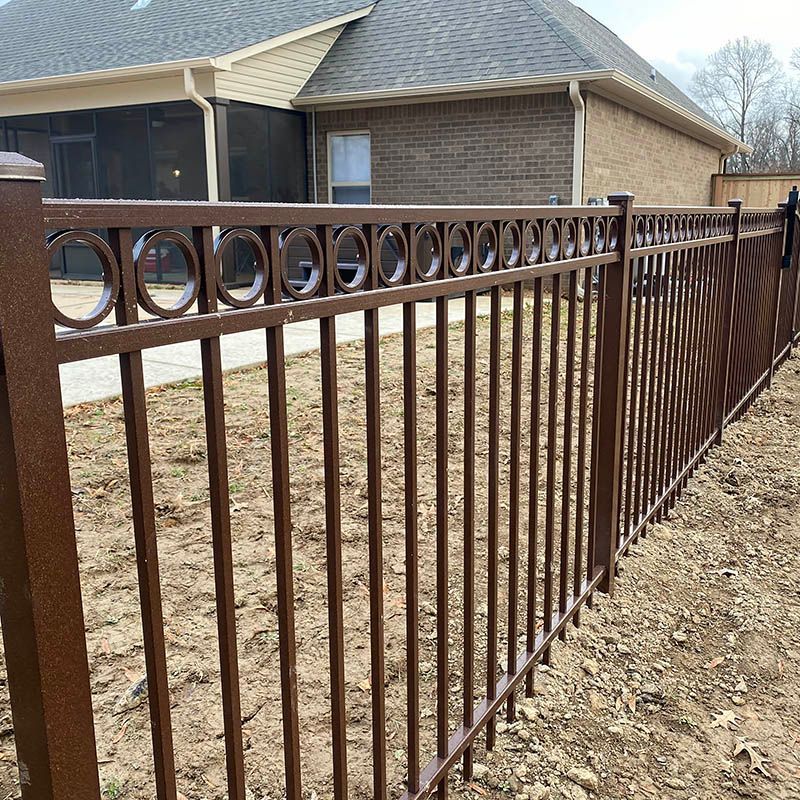
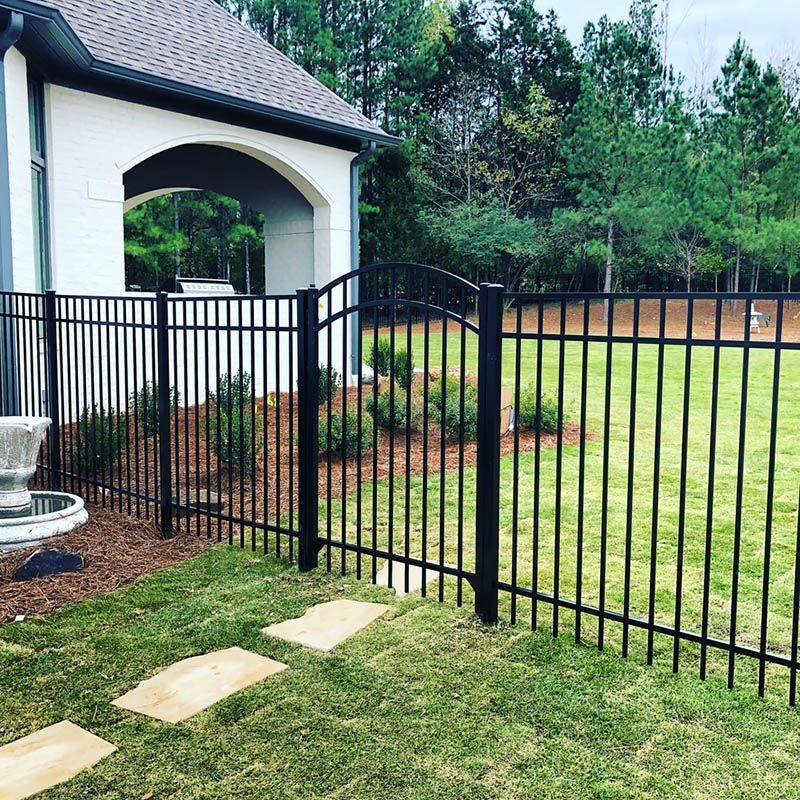
House Bill 803 was signed into Florida law to simplify permitting for smaller residential projects and reduce delays for homeowners and contractors. Beginning July 1, 2026, certain non-structural residential work valued under $7,500 may qualify for permit exemptions under state law. This can create confusion for homeowners planning projects like Vinyl Fencing, Aluminum Fencing, Wood Fencing, Chain Link Fencing, or Pool Fencing installations. However, the law does not remove all permitting requirements. Projects involving structural, electrical, plumbing, mechanical, gas work, or work located within flood hazard areas may still require permits regardless of cost.
Why Flood Zones Still Matter in Pinellas County
This is where many homeowners are getting incorrect information. While HB 803 creates permit exemptions for some projects, Florida communities located within FEMA flood hazard areas must still follow additional building and tracking requirements tied to federal floodplain regulations.
In Pinellas County, many homes fall within Special Flood Hazard Areas (SFHAs), including zones labeled:
- A
- AE
- AH
- AO
- VE
If your property is located in one of these flood zones, permit exemptions may not apply to your project; even if the work is valued under $7,500. Local governments must continue tracking improvements and repairs to remain compliant with FEMA regulations and National Flood Insurance Program requirements.
How to Check If Your Property Is in a Flood Zone
Before starting any fencing or exterior project, homeowners should verify whether their property is located within a FEMA-designated flood hazard area. This is one of the most important steps in determining whether permits may still be required under Florida law.
Pinellas County Property Search
You can check your property using the Pinellas County Property Appraiser and FEMA flood mapping tools.
Why Permits Still Protect Homeowners
Permits aren’t just paperwork; they help ensure projects are installed safely, documented properly, and compliant with local regulations. Skipping permits when they’re required can create problems during insurance claims, property sales, inspections, and future improvements. At Hage Fence, we believe homeowners deserve clear, accurate information; not shortcuts that could create bigger problems later. Our team stays informed on Florida regulations so we can help guide customers through the process the right way.
Connect with us
We're thrilled to assist you in finding the perfect fencing solution for your home or business. Our team of experienced professionals is dedicated to providing you with the highest quality service and craftsmanship. Whether you're looking for a new installation, repairs, or just some friendly advice on your next project, we're here for you.
call us
email us
Contact Us
We will get back to you as soon as possible.
Please try again later.
What This Means for Fence Installation Projects
Some Small Projects May Qualify
Certain non-structural residential projects under $7,500 may qualify for permit exemptions under HB 803 depending on location and scope of work.
Flood Zones May Still Require Permits
Many homes in Pinellas County remain subject to permitting requirements due to FEMA floodplain regulations and local compliance standards.
Every Property Is Different
Fence requirements can vary depending on location, materials, property conditions, and municipal rules. That’s why professional guidance matters before beginning work.
Have Questions About Permits or Flood Zones?
Our team is happy to help homeowners understand the permitting process and determine what may apply to their property before installation begins. We believe informed homeowners make better long-term decisions.
Florida House Bill 803 FAQs
Florida House Bill 803 has created a lot of confusion around permits, flood zones, and what homeowners are actually required to do before starting a project. We’re here to help clarify the rules, explain how they may apply to your property, and provide reliable information you can trust. Find answers to some of the most common questions homeowners are asking here or read more about the bill.
Does HB 803 remove all permit requirements?
No. The law creates exemptions for some smaller residential projects, but many types of work still require permits. Flood zone properties may also remain subject to local permitting requirements.
Do flood zones affect fence permits?
Yes, they can. Homes located within FEMA-designated flood hazard areas may still require permits even when projects fall below the $7,500 exemption threshold. Local governments must continue complying with FEMA regulations.
How do I know if my property is in a flood zone?
You can check your property using the Pinellas County Property Appraiser or FEMA flood mapping tools. Properties located in A, AE, AH, AO, or VE zones are considered Special Flood Hazard Areas.
Can Hage Fence help with permitting?
Yes. Our team helps homeowners navigate permitting requirements and understand what may apply to their specific property. We believe in doing things correctly from the start.