
Hage Fence
Florida House Bill 803 created new permit exemptions for some small residential projects under $7,500. However, many properties in Pinellas County may still require permits due to FEMA flood zone regulations, local ordinances, and safety requirements tied to coastal construction.
What is Florida House Bill 803 for homeowners?
Florida House Bill 803 (HB 803), which took effect in mid-2024, was designed to reduce the administrative burden on homeowners and local building departments. The primary objective of this legislation is to streamline the process for minor residential improvements. Specifically, it prohibits local governments from requiring a building permit for certain types of work—such as some repairs or new installations—if the total cost of the project is less than $7,500.
For many homeowners in our Service Area , this sounded like an end to the paperwork and fees associated with residential improvements. The idea was to allow property owners to handle small-scale projects, like a minor deck repair or a simple shed, without waiting weeks for municipal approval. However, the bill was never intended to be a blanket exemption for all construction activities, and it includes several critical "carve-outs" that significantly limit its application for fencing projects in coastal communities like St. Petersburg and Clearwater.
One of the most important aspects of HB 803 is that it specifically addresses the cost of the project. This includes both materials and labor. While a small repair might easily fall under this threshold, a full Vinyl Fencing or Aluminum Fencing installation for an entire backyard rarely stays below the $7,500 mark. Furthermore, the bill explicitly states that it does not override safety regulations or federal mandates, which is where the complexities of Pinellas County geography come into play.
Does HB 803 eliminate the need for fence permits?
In many parts of inland Florida, HB 803 may indeed simplify the process for small fence repairs. However, for most residents in the Tampa Bay area, the answer is usually no. Even if your project costs less than $7,500, several local and federal regulations take precedence over the state-level permit exemption. The bill includes language that maintains the authority of local jurisdictions to require permits when a project affects public health, safety, or environmental standards.
Fences are considered structures that can impact water flow during storm surges or heavy rain. In a state prone to hurricanes, the structural integrity and placement of a fence are vital. Local building departments in Pinellas County still require oversight to ensure that:
- Fences do not block emergency access or utility easements.
- The height and placement comply with local zoning ordinances.
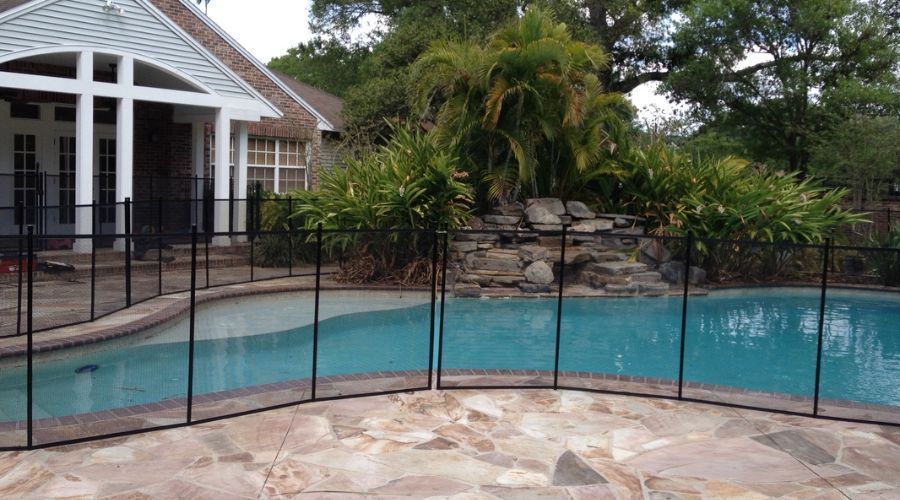
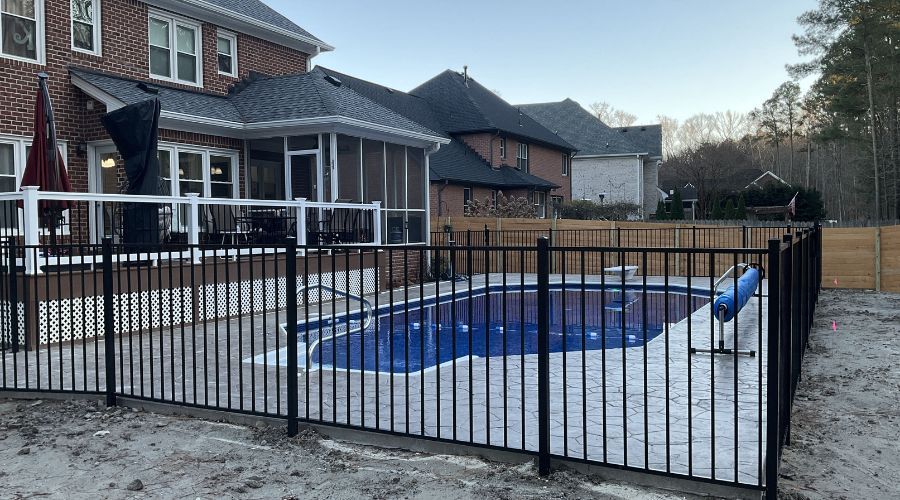
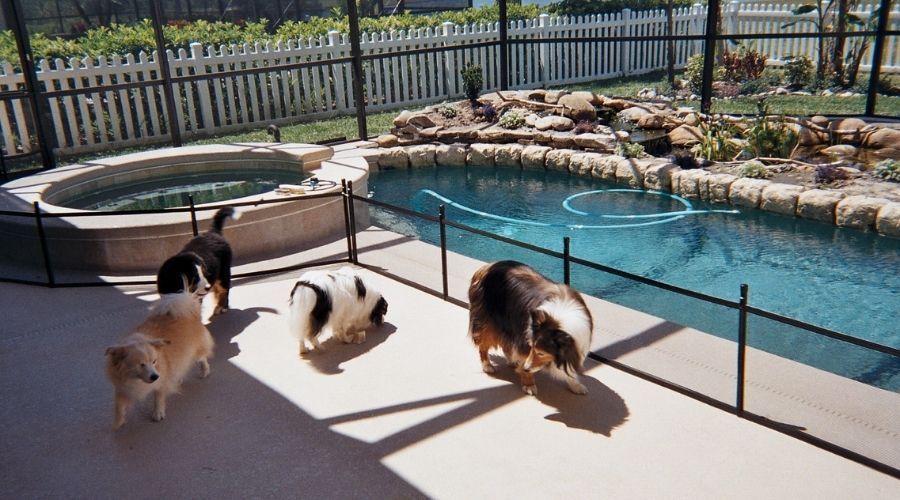
- Pool Fencing meets the strict requirements of the Florida Residential Building Code for child safety.
- The materials used are rated for the high wind speeds common in our coastal environment.
Because of these safety concerns, many municipalities have issued clarifications stating that they will continue to require permits for most new fence installations. This oversight protects the homeowner by ensuring the work is done correctly and will not lead to legal or insurance issues during the next major storm season.
The Critical FEMA Flood Zone Exception
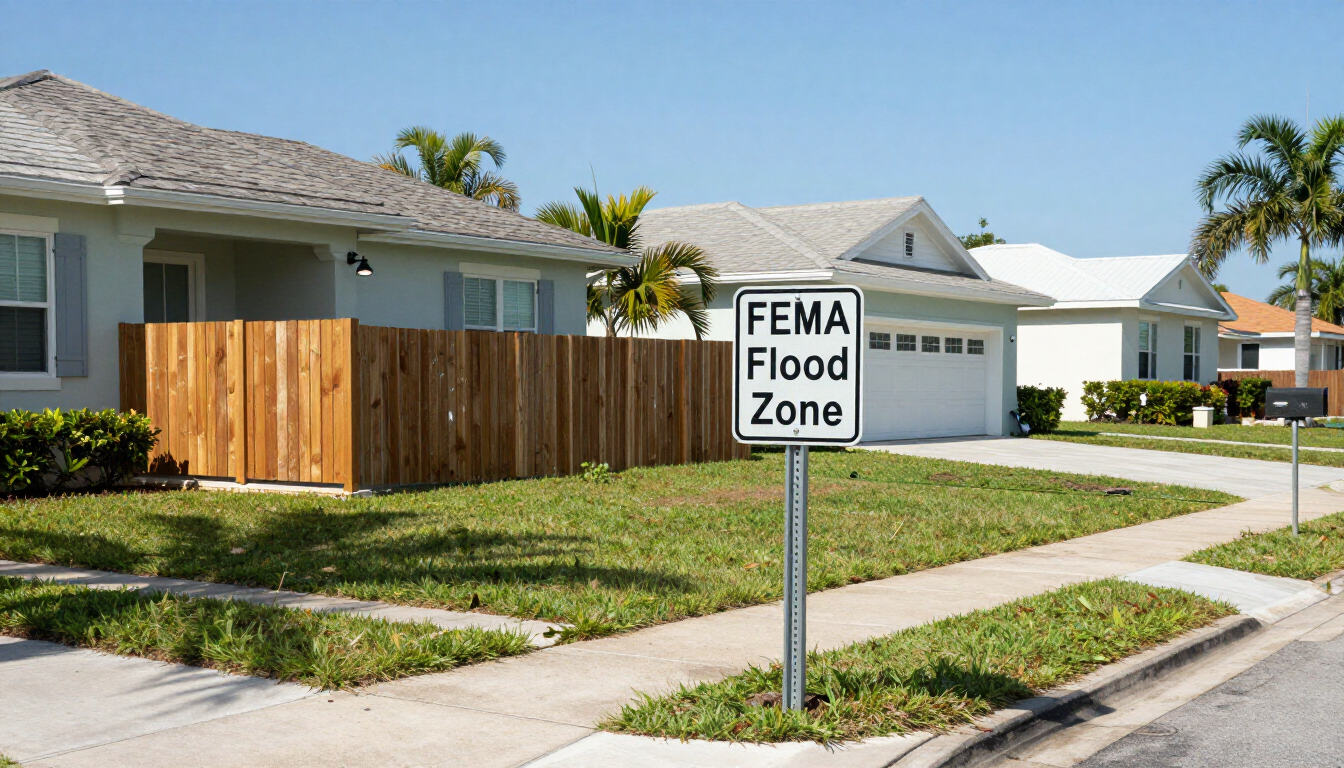
The single biggest reason why Florida House Bill 803 fence permits are still required in Pinellas County is the FEMA flood hazard designation. The federal government, through the National Flood Insurance Program (NFIP), mandates that participating communities enforce specific building standards in areas at high risk of flooding. If a city or county fails to enforce these rules, they could lose their NFIP eligibility, which would make flood insurance unavailable or prohibitively expensive for every resident in that community.
Most properties in St. Petersburg, Gulfport, and the surrounding beaches fall into one of several FEMA flood zones, such as Zone AE or Zone VE. In these areas, any structure—including a fence—must be evaluated to ensure it does not obstruct the flow of water. A solid fence in a high-flow area can act like a dam, causing water to back up and flood neighboring homes or even causing the fence to be ripped from its footings, creating dangerous floating debris.
Because these federal requirements are non-negotiable, local building departments are required to review fence plans in flood zones regardless of the project's price tag. Local floodplain and FEMA-related requirements may still apply to projects located within Special Flood Hazard Areas. For homeowners at Hage Fence, this means that the location of your property is often more important than the cost of your project when determining if a permit is necessary
Why is Pinellas County unique for fencing?
Pinellas County is the most densely populated county in Florida and is surrounded by water on three sides. This geography makes the entire region a focal point for water management and storm readiness. Unlike inland counties where flood zones might be limited to a few creek beds, nearly every neighborhood in Pinellas has some level of flood risk or proximity to coastal waters.
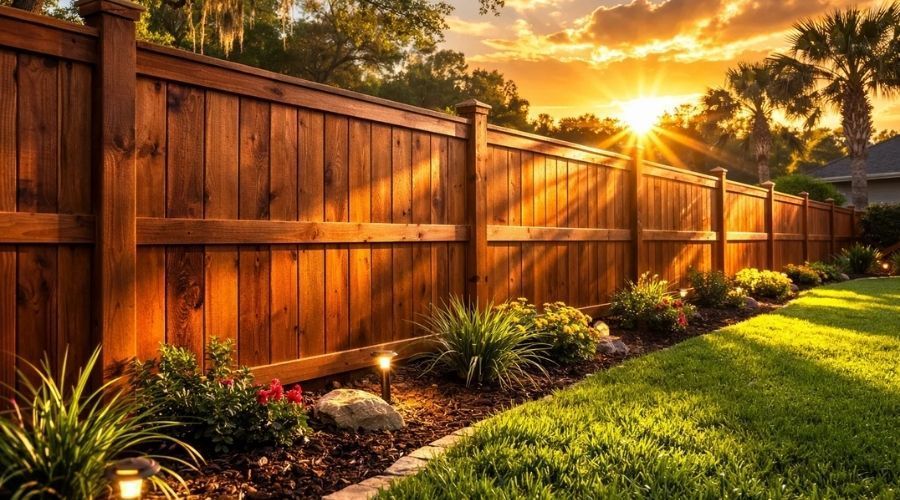
When we plan an installation for Wood Fencing or Composite Fencing , we must account for local variations in code:
- Coastal Construction Control Lines (CCCL): Properties very close to the Gulf may have additional state-level oversight.
- City-Specific Ordinances: St. Petersburg may have different setback requirements than Dunedin or Largo.
- Easement Restrictions: Many local lots have drainage or utility easements that dictate exactly where a fence can be placed.
- Sight Triangle Rules: Corner lots must ensure fences don't block the view of oncoming traffic.
- Historic District Guidelines: Some neighborhoods require specific materials and styles to maintain historic integrity.
Our team at Hage Fence works closely with local building departments to stay updated on these hyper-local rules. We believe in building fences that are not only beautiful but also fully compliant with every layer of regulation, from the state level down to your specific street.
Common Misconceptions About the $7,500 Rule
One common mistake homeowners make is assuming that a "handshake deal" with a contractor for $7,400 means they are safe from the law. This can be a costly assumption. Here are the most frequent misconceptions we encounter regarding Florida House Bill 803 fence permits:
- "It's just a repair": Even repairs can require permits if they involve more than a small percentage of the fence's total length or if the structural posts are being replaced.
- "The contractor said I don't need one": Many unlicensed contractors use HB 803 as an excuse to skip the permit process, which saves them time but leaves the homeowner with the legal risk.
- "Cost only includes materials": The $7,500 threshold includes the fair market value of labor, even if you do the work yourself or have a friend help.
- "Flood zones don't matter if it hasn't flooded lately": FEMA maps are based on statistical risk, not recent history; the law applies based on the map, not your memory of the last storm.
- "I can just get a permit later": After-the-fact permits often cost double or triple the original fee and may require you to tear down the work if it doesn't meet code.
How do different fence materials impact permit needs?
The choice of material can sometimes influence the permitting process, particularly in how the fence interacts with wind and water. While the permit requirement itself is usually dictated by the property's location, the approval of that permit depends on the engineering of the fence system.
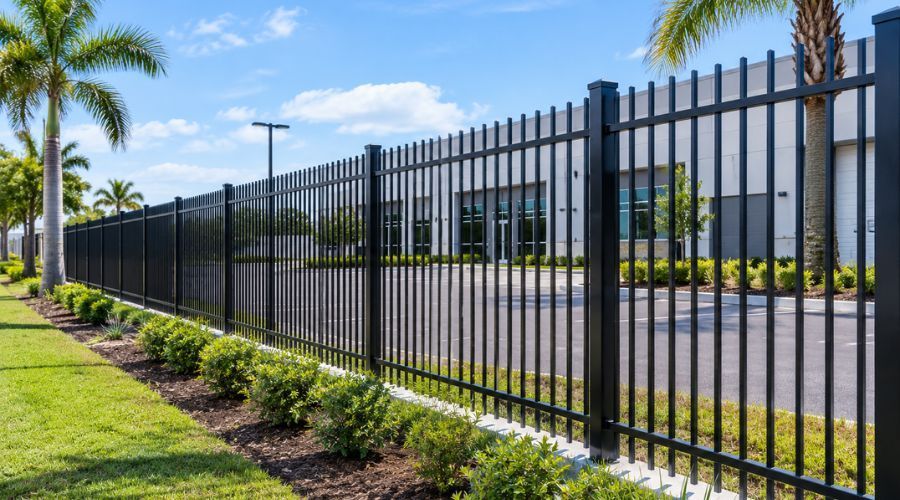
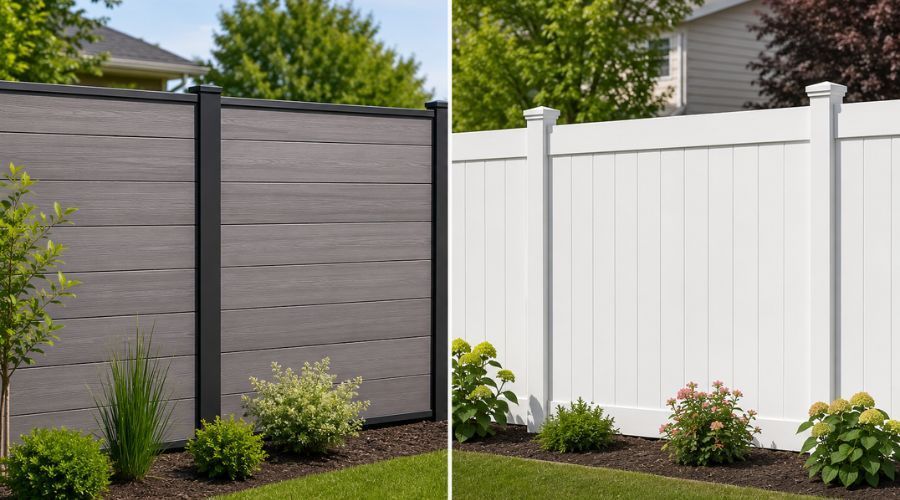
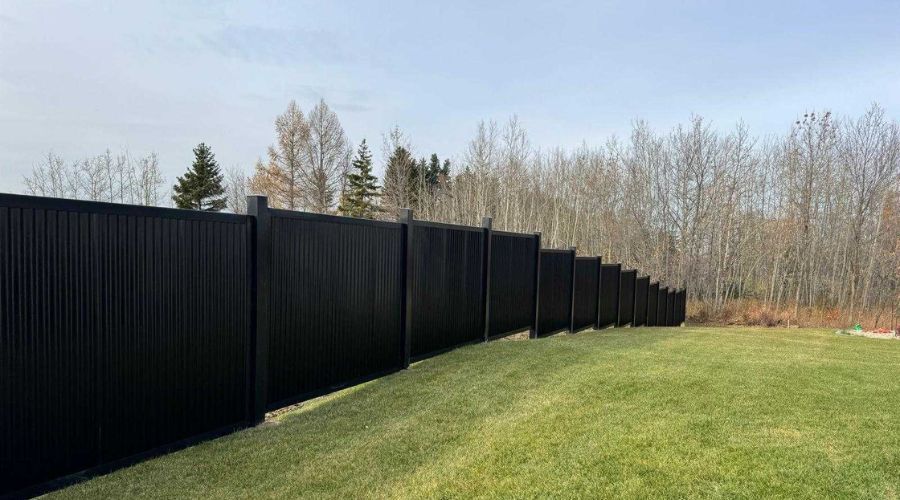
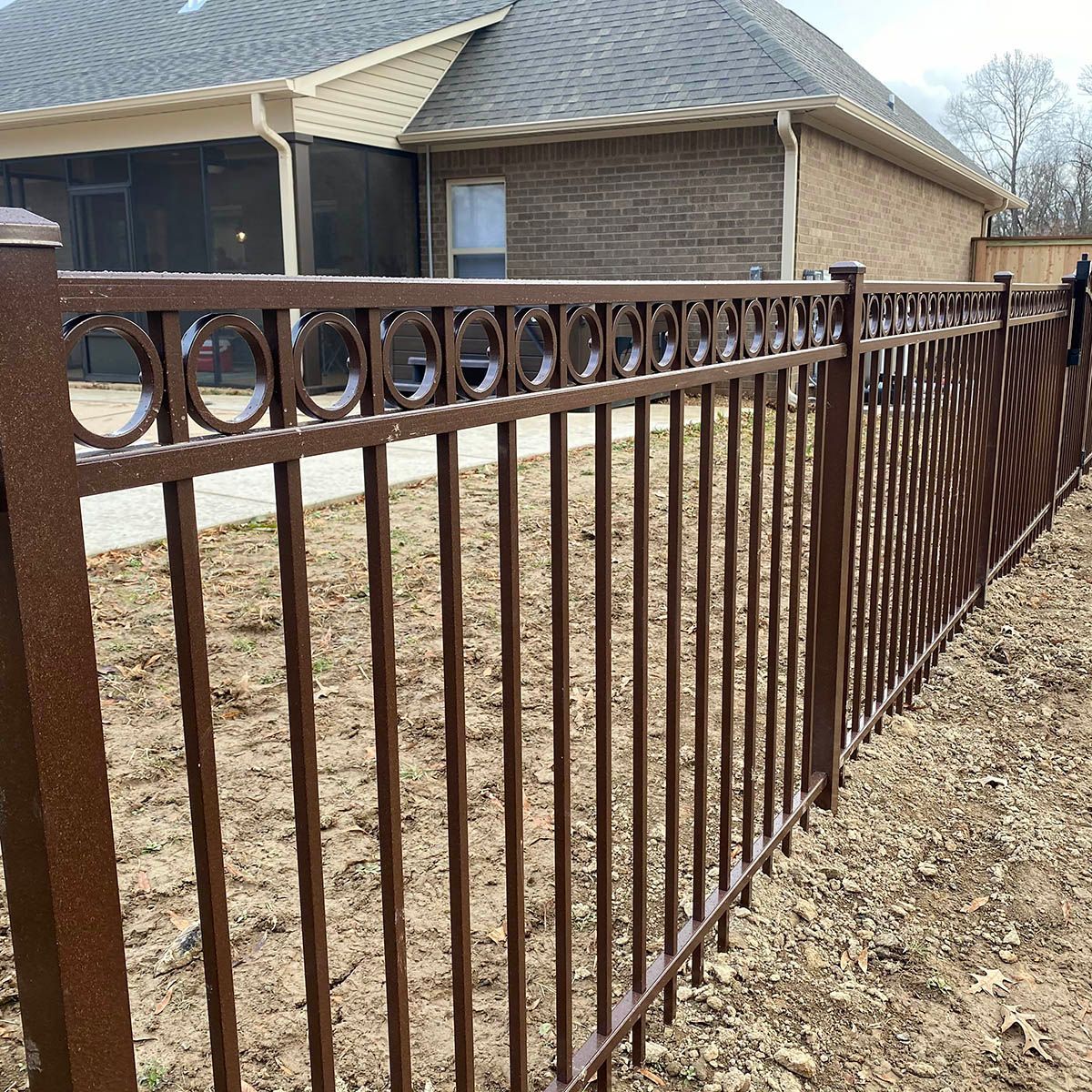
For example, Aluminum Fencing is often favored in flood zones because the pickets allow water to flow through freely, reducing the hydraulic pressure on the structure. This is often an easier "sell" to a building inspector than a solid Vinyl Fencing wall. However, if you prefer the privacy of vinyl, we can often install "breakaway panels" or specific drainage gaps that satisfy flood zone requirements while still providing the seclusion you desire.
When we discuss options with our clients, we look at several factors:
- Wind Loading: Different materials have different ratings for wind resistance.
- Soil Conditions: Coastal sand requires different footing depths than inland clay.
- Sustainability: Choosing American-made materials ensures the fence lasts longer in Florida's humidity.
- Safety: For Pool Fencing , the material must allow for self-closing, self-latching gates.
5 Risks of Unpermitted Fence Installation
Skipping the permit process might seem like a way to save a few hundred dollars today, but the long-term risks are substantial. At Hage Fence, we always recommend doing things the right way to protect your investment.
- Stop-Work Orders: Code enforcement can halt your project mid-installation if they don't see a permit posted.
- Insurance Denials: If a storm destroys an unpermitted fence, your homeowner's insurance may refuse to cover the replacement cost.
- Real Estate Complications: When you go to sell your home, a title search or inspection may reveal the unpermitted work, forcing you to resolve it before closing.
- Safety Hazards: Without a professional inspection, you may unknowingly have a fence that is structurally unsound or built over a buried utility line.
- Neighbor Disputes: If your neighbor believes your fence is on their property, having a permit with a verified survey is your best legal defense.
Step-by-Step Guide to Verifying Your Property Status
If you are planning a new fence, don't guess about the regulations. Follow these steps to ensure you are compliant with Florida House Bill 803 and local Pinellas County laws:
- Consult a Recent Survey: You need to know exactly where your property lines and easements are located.
- Check the FEMA Flood Map: Use the Pinellas County or municipal GIS portal to find your specific flood zone.
- Verify Your Municipality: Rules in the city limits of St. Pete often differ from those in unincorporated Pinellas County.
- Obtain Professional Estimates: Get a detailed quote that specifies whether the contractor is handling the permitting process.
- Ask About HB 803 Specifically: A knowledgeable contractor will be able to explain why the bill does or does not apply to your specific lot.
Professional Installation and Regulatory Compliance
Navigating the intersection of Florida House Bill 803 and local building codes is one of the most valuable services we provide at Hage Fence. As a family-owned business with deep roots in St. Petersburg, we understand that our customers aren't just looking for a fence—they are looking for peace of mind. We take the time to research every property, pulling the necessary permits and ensuring that every post is set to the correct depth and every panel is compliant with FEMA standards.
Our affiliations with the American Fence Association (AFA) and the Florida West Coast Chapter (FWA) keep us at the forefront of legislative changes. Our team stays informed on changing Florida regulations so we can provide homeowners with accurate, up-to-date guidance. We don't believe in shortcuts because we know that a fence built the wrong way is a liability, not an asset.
Whether you need a simple Chain Link Fencing solution for your pets or a high-end Composite Fencing system for your estate, we handle the heavy lifting of the permitting process so you don't have to. You can find out more About Us and our commitment to quality on our website.
Summary of Key Takeaways
- HB 803 is not universal: The $7,500 permit exemption has significant limitations, particularly in coastal and flood-prone areas.
- FEMA rules take priority: If your home is in a flood zone, federal regulations often mandate a permit regardless of the state's new law.
- Location matters: Most of Pinellas County, including St. Petersburg and Clearwater, is subject to strict water management codes.
- Professional help is vital: Working with a licensed contractor like Hage Fence ensures your project meets all current 2026 standards.
- Protect your investment: Proper permitting safeguards your insurance coverage and future home resale value.
If you're ready to start your next fencing project and want to ensure it’s done right, Contact Us today. Our team is happy to evaluate your property, explain the current Florida House Bill 803 fence permits requirements, and provide a professional estimate for a durable, storm-strong fence that meets every local and federal standard.
Recent Posts