
Hage Fence
We grew up right here in St. Petersburg, coaching local youth sports and spending weekends near Upham Beach. From quiet streets in Meadowlawn to waterfront lots in Snell Isle, our team knows local yards. St. Pete brings constant sun, high moisture, and summer rainstorms.
Our sandy dirt ground and heavy summer wind storms put a lot of pressure on outdoor wood. If you live in Shore Acres, standing water from frequent floods hits wood boundaries hard.
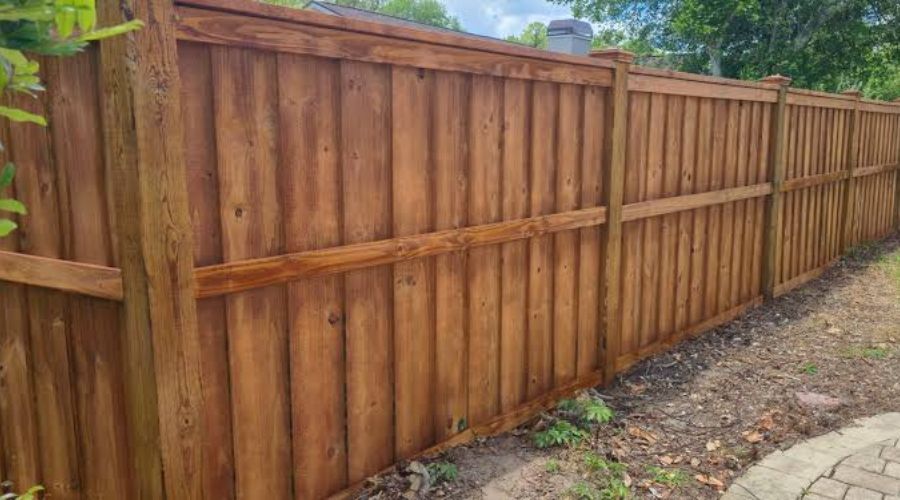
Applying a good layer of stain stops rot, water damage, and sun damage before boards turn ash gray. At Hage Fence, we treat every yard like it belongs to our family. This guide shows you how to shield your wood fence against hot sun and seasonal rains.
Why St. Pete Weather Beats Up Wood Fence Pickets
Bright solar rays bake pine and cedar boards all year round. Hot rays dry out natural wood oils, leaving boards brittle. When afternoon storm clouds roll past the pink Vinoy Hotel downtown, wet air settles into raw grain.
Heavy moisture creates big problems with mold and mildew. In neighborhoods like Historic Kenwood, large oak trees and banyan trees cast long shadows. Large root systems stay damp, keeping nearby pickets wet for hours.
When wet boards sit in hot humid air, the wood swells up. As boards dry under afternoon sun, they shrink and twist. This constant motion pulls out nails, splits rails, and causes sagging gates.
Alleyways in Historic Kenwood and South St. Pete present another common challenge. Narrow alley paths mean trash trucks often brush past back gates. When wood gets weak from moisture, a light bump from a trash truck destroys the whole section. Investing in professional fence staining services keeps boards strong enough to handle daily wear.
Local Neighborhood Challenges and Wood Care
Different parts of St. Petersburg face unique ground conditions and zoning rules. Here is how local areas affect your residential fencing choices:
| Neighborhood Area | Local Condition Challenge | Outdoor Wood Care Solution |
|---|---|---|
| Shore Acres & Coquina Key | High water levels and frequent yard floods | Deep penetrating oil stain to block groundwater |
| Snell Isle & Venetian Isles | High salt air, coastal dampness, strong sun | High UV protection seal to stop board bleaching |
| Historic Kenwood & Old Northeast | Strict historic codes allowing only wood or aluminum | Approved natural stain tones with built-in mold protection |
| Meadowlawn & Bellaire | High summer heat and sprinkler overspray | Moisture protection sealing to stop board warping |
| Placido Bayou | Strictest HOA rules with multiple property managers | Exact color matching to meet strict neighborhood rules |
Common Shortcuts Unlicensed Builders Take
Many out of town crews take quick shortcuts that fail after one rain season. We fix these mistakes across local properties every month:
- Shallow Post Depth: Cheap workers dig shallow holes to save time. In sandy St. Pete ground, posts must meet ASTM standards so wind does not blow over your fence during hurricane season. To withstand heavy wind storms, installation must comply with structural requirements in the Florida Building Code.
- Staining Wet Boards: Applying sealant over damp wood traps water inside, speeding up internal rot.
- Ignoring Local Height Rules: Local ordinances enforce strict St. Petersburg building codes that limit backyard privacy fences to a six-foot maximum. Some coastal beach areas allow eight-foot fences for three-story homes. Unlicensed builders ignore these rules, leaving owners with costly fines.
- Skipping Root Protection: Digging post holes near oak or banyan trees without care destroys tree roots and ruins your fence line.
Protect Your Pressure Treated Wood and Cedar Pickets

Keeping a barrier strong starts with smart care. Both cedar fence and pressure treated wood need regular sealing to survive our warm coastal climate.
A fresh layer of wood stain creates strong moisture protection before wet storms arrive. Tinted formulas provide reliable UV protection, keeping raw wood from turning dull gray. Proper wood preservation also deters bugs that like damp boards.
Maintaining your barrier increases overall fence longevity. When you protect pickets from heat and standing water, your yard stays secure without needing complete replacements. If your boundary already has structural rot, starting fresh with a new wood fence installation provides a clean slate.
Simple Tips for St. Pete Yard Care
- Trim Low Vines: Keep plants and bushes six inches away from pickets so leaves do not trap morning dew.
- Redirect Sprinklers: Point lawn sprinklers away from wood panels to stop mineral stains and rot.
- Wash Off Salt Air: Hose down panels near Venetian Isles to remove salt build-up every few weeks.
- Clean Green Spots: Wash away dark mildew with mild soap as soon as you spot it.
Frequently Asked Questions
How often should St. Pete homeowners stain their wood fence?
We recommend applying a fresh coat every two to three years. Intense sun and heavy summer storms break down protective sealers faster in coastal Florida than in northern states.
Can I stain new pressure treated wood right away?
New pressure treated wood needs four to eight weeks to dry out in our warm air. Once factory moisture leaves the wood, the stain sinks deep into every board.
Will fence staining stop mold in shady yards?
Yes. Quality wood fence protection products contain active mildew prevention agents. These built-in additives stop green algae and dark mold from growing under shady oak trees.
Safeguard Your Yard with Hage Fence
Do not let heat and damp air ruin your property investment. As a local, family-owned St. Petersburg fence company, we build and protect boundaries the right way. We follow ASTM standards, setting posts properly in local sandy soil.
Whether you need fresh sealing or a new installation, our crew delivers reliable work. Contact our team today to schedule your service and give your yard total protection!