
Hage Fence
Life in St. Petersburg is mostly about being outside. We live for the sun and the salt air. You might see me walking near the Vinoy hotel, which we all call the pink hotel. Or you might see me out by Upham Beach on the weekends.
For many folks here, a pool is the heart of the home. But a pool brings a lot of duties. You have to keep your family and your neighbors safe. This means you must follow local laws for your yard.
We have lived and worked in this area for decades. We were born and raised right here in our city. There is a good chance I coached your kids in sports at the local park.
At Hage Fence, we know the codes because we live them. We build fences that pass inspections every time. This guide will show you what you need to stay safe and legal.
The Florida Residential Swimming Pool Safety Act
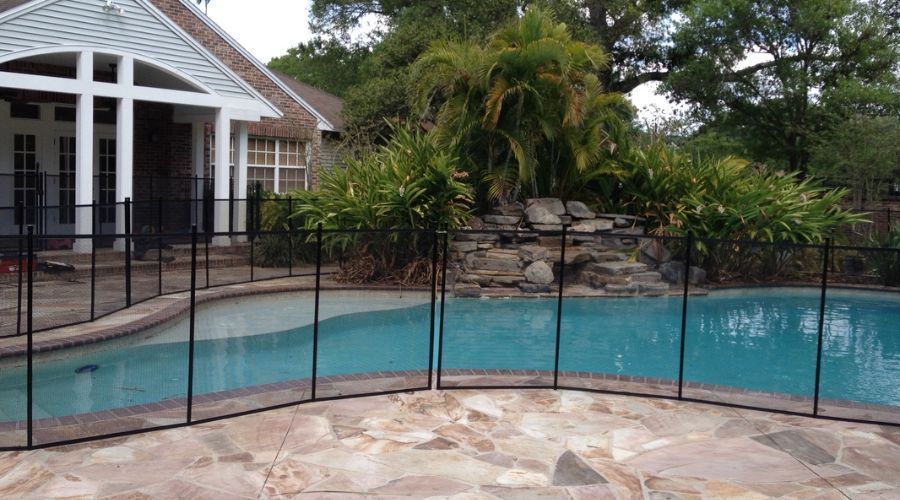
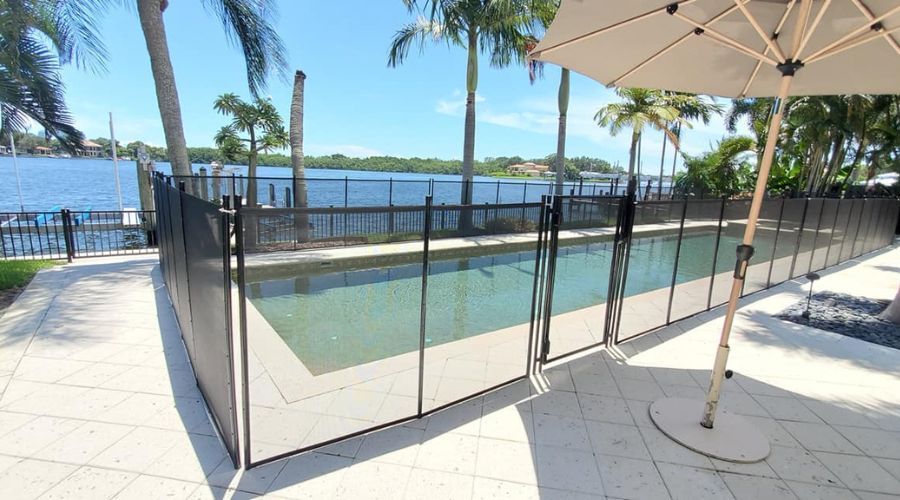
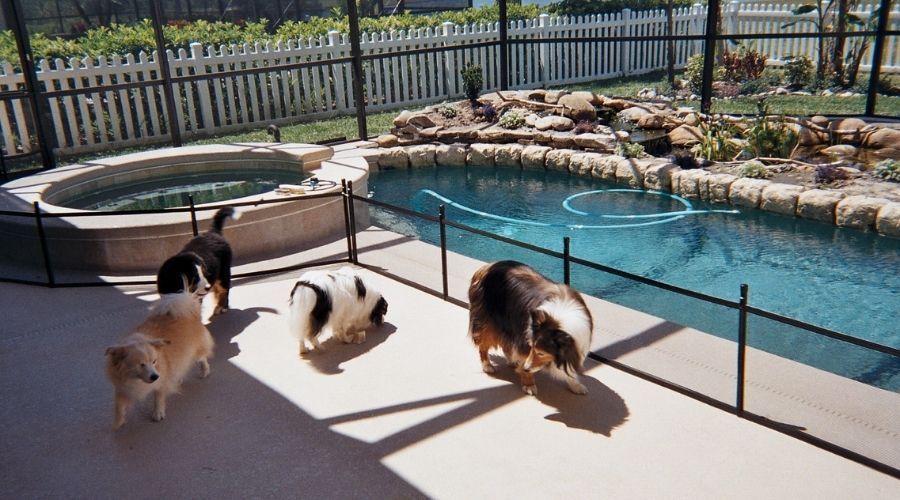
Florida has a big law to stop accidents. It is called the Residential Swimming Pool Safety Act. This law was made to help stop kids from drowning. It says every pool needs a barrier. A barrier is a fence or a wall that keeps kids out. In St. Pete, the city is very strict about these rules.
If you are building a new pool, you must have a fence. You also need to think about your neighbors. A good fence keeps wandering kids away from the water. It is the best way to have peace of mind. We always suggest talking to a pro about pool fencing installation to make sure you stay within the law.
Local Height and Space Rules
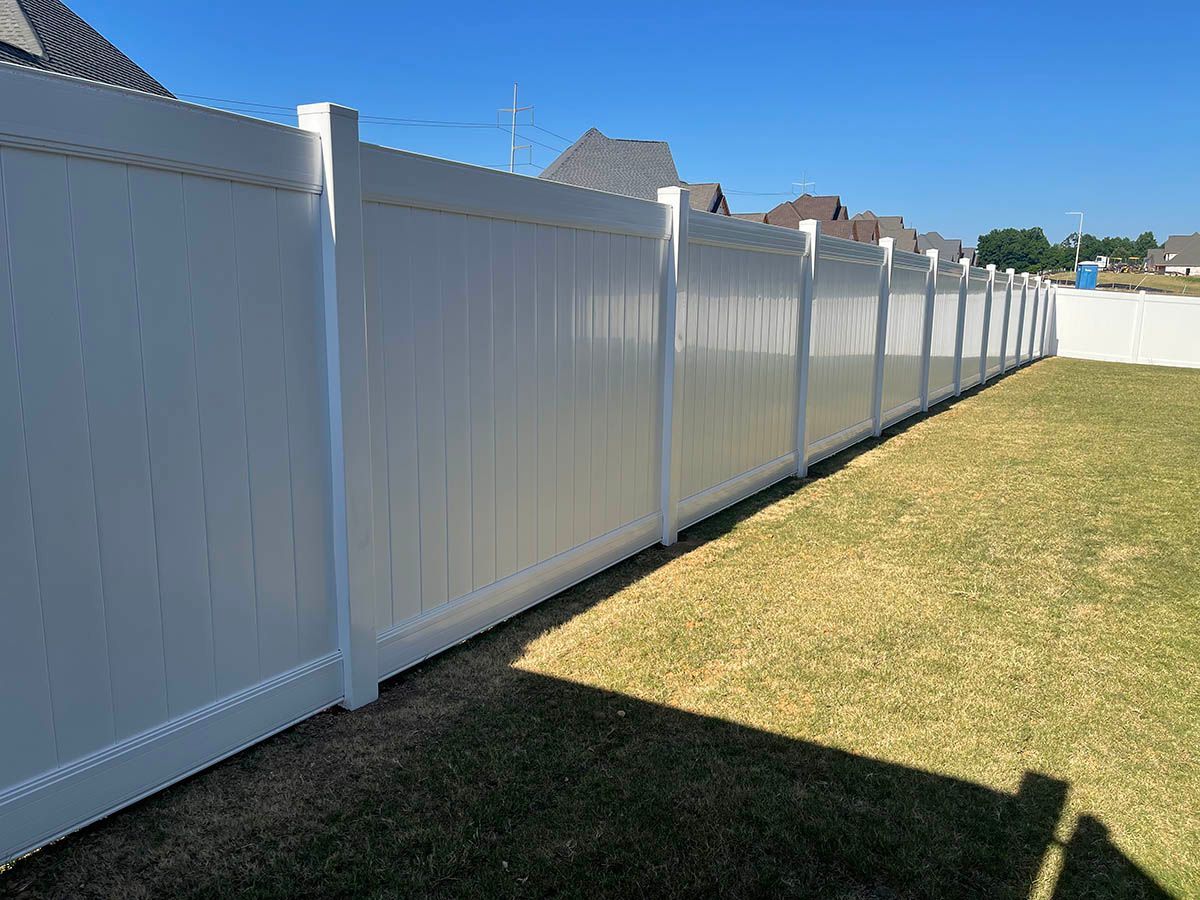
In St. Petersburg, the magic height for a pool fence is 48 inches. That is the minimum height from the ground. Most people in the city want a taller fence for privacy. Usually, the city lets you go up to 6 feet high. But things change if you live right on the water.
In the four beach areas, the rules are a bit different. Some houses there are three stories tall. Because of this, those areas often allow fences up to 8 feet high.
This helps with privacy from taller buildings. You should also check your lot type. If you have a corner lot, you have to follow visibility rules. You cannot block the view of drivers at the street corner.
St. Pete Soil and Your Fence
Our ground in St. Petersburg is not like other places. We mostly have sandy soil and brown dirt. The land here is mostly flat, too. This sounds easy to dig in, but it can be tricky. Sandy soil shifts when it gets wet. If you do not set your posts right, the fence will lean over.
Some cheap companies do not set their posts deep enough. They might only go down 18 inches. We see this all the time. In our sandy ground, that is not enough. A fence needs to be set deep with plenty of concrete.
This keeps it steady when the wind kicks up. Wind is one of the main things that ruins fences in our city. We get many calls to fix fences that blew over because they were not built the right way.
Neighborhood Nuances and HOA Rules
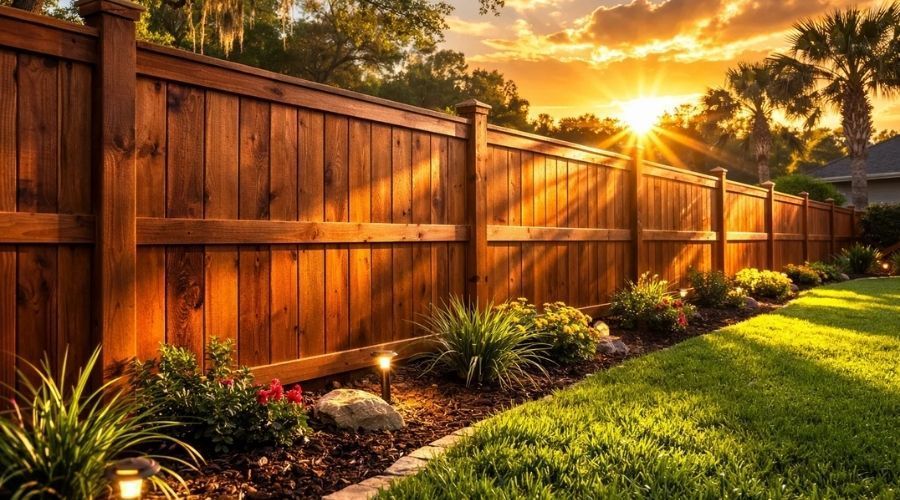
Every part of St. Pete has its own set of rules. If you live in the Kenwood historic area, you have to follow special codes. They only allow wood or aluminum fences there. You cannot use vinyl in those historic spots. We know how to work with the city to get these plans approved.
Other areas have strict HOAs. Placido Bayou is one of the biggest and most difficult areas. It has many different property managers. It is hard to keep track of all their rules. But we have worked there for years. We know the people and we know the standards.
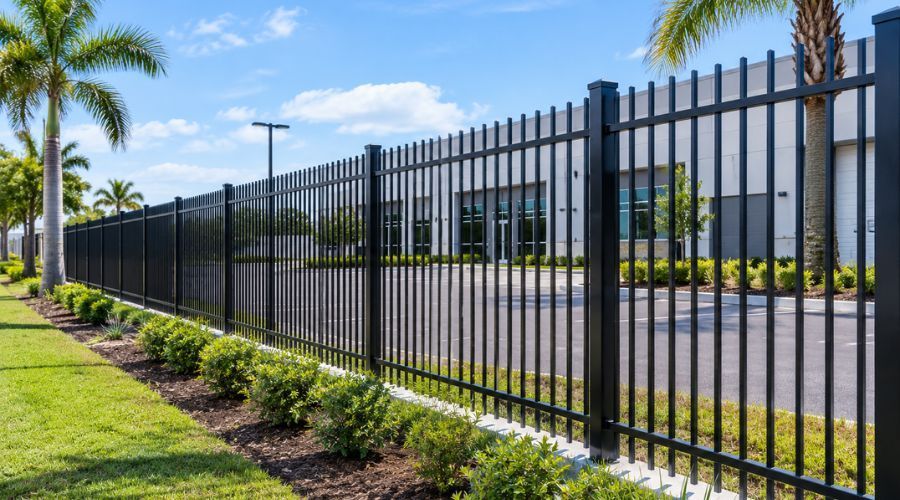
If you are in Shore Acres, you have to think about water. That area floods a lot. You need a fence that can handle being in the water. Aluminum is a great choice for these wet spots.
It does not rust or rot like wood does. If you want to see what fits your yard, look at our aluminum pool fence options. Venetian Isles was actually where the first aluminum fence was built in our area.
Tree Roots and Backyard Layouts

We love our trees in St. Petersburg. We have huge Oak trees and Banyan trees. They give us shade, but they cause problems for fences. Their roots grow wide and strong. You have to be careful when you dig. If you cut the wrong root, you might kill the tree.
We take the time to find the roots first. We move the posts slightly to save the tree. This is part of doing things the right way. A good St. Petersburg fence company will always protect your trees. We also see issues in alleys. Trash trucks often hit fences near the trash cans. We build stronger sections in those spots to help them last.
| Safety Code Feature | St. Petersburg Requirement |
|---|---|
| Minimum Height | 48 inches from the ground |
| Maximum Height | 6 feet (8 feet at some beaches) |
| Gate Direction | Must swing away from the pool |
| Gate Type | Self-closing and self-latching |
| Latch Height | Out of reach for small children |
| Material Rules | Varies by neighborhood (e.g. Kenwood) |
Getting the Right Permits
You cannot just start digging a hole for a pool fence. You need a permit from the city or Pinellas County. This makes sure your plan follows the safety laws. If you skip this, you might have to take the fence down later. That is a waste of time and money.
You can find the details for St. Petersburg pool permits online. This package shows you what the city looks for. They check the height and the gate. They also look at how close the fence is to your house. If your back door leads to the pool, you might need an alarm on that door. This is part of the state safety act.
Steps for a Safe Installation
- Measure your yard and find your property lines.
- Check for large roots from Oak or Banyan trees.
- Choose a material like aluminum that handles humidity.
- Apply for your permit with the city.
- Call a team that uses ASTM standards for post depth.
- Test your gates to make sure they latch on their own.
- Get a final inspection to make it all legal.
Why Quality Matters for Safety
We see a lot of sagging gates in our area. This usually happens because the ground shifted or the gate was too heavy. A sagging gate is a big safety risk. If it does not latch, a child could walk right in. This is why we focus on high quality gates. They need to work every single time.
Frequently Asked Questions
Can I use a vinyl fence for my pool?
In most parts of St. Pete, vinyl is fine. But if you live in the Kenwood historic district, you cannot use it. They only allow wood or aluminum there.
What is the best way to stop rot in Florida?
The humidity here is very high. Aluminum is the best material to stop rot. It lasts a long time even near the salt water.
How deep should my fence posts be?
A lot of people only go down 18 inches. We go much deeper to make sure the fence stays up during a storm. This is vital in our sandy soil.
Trust the Local Experts at Hage Fence
We are a family-oriented team. We treat every yard like it is our own. Whether you are in Snell Isle, Meadowlawn, or Coquina Key, we know your neighborhood. We know the soil, the trees, and the rules. We don't take shortcuts because we want your fence to last for years.
A safe pool means a happy home. We are here to help you get the best fence for your space. We handle the hard parts so you can enjoy the sun. Let us build a fence that keeps your family safe and your yard looking great.
Call Hage Fence today to start your pool fence project!
Recent Posts