
Best Fences for Florida's Coastal Weather

Hage Fencing

November 25, 2025

Why Coastal Fences Need to Be Different

Top Fence Materials for Coastal Florida

fence materials for coastal areas

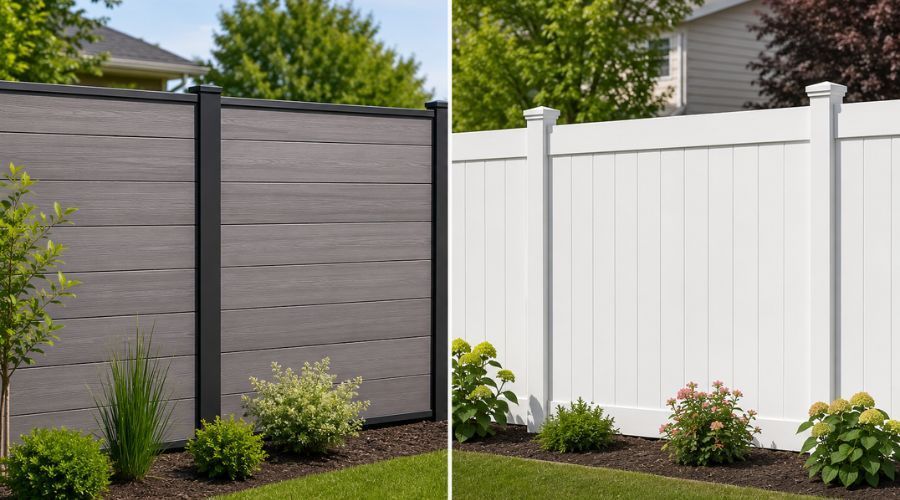
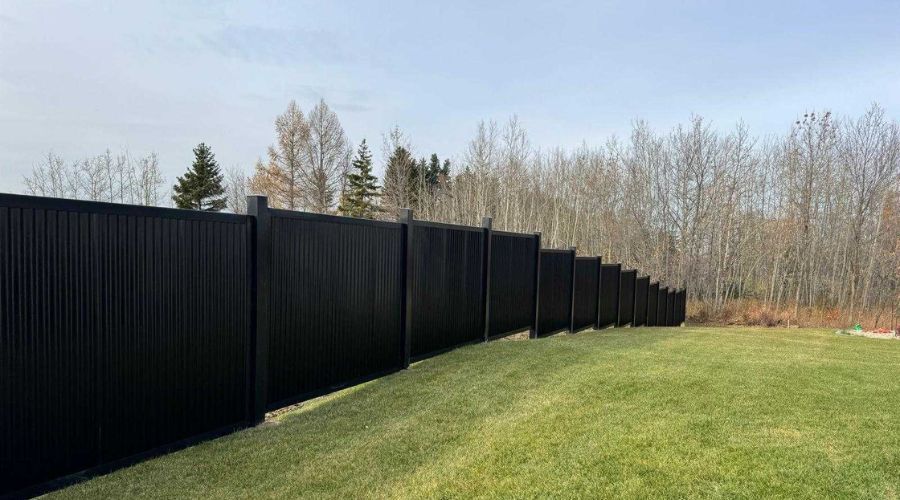
Vinyl Fences

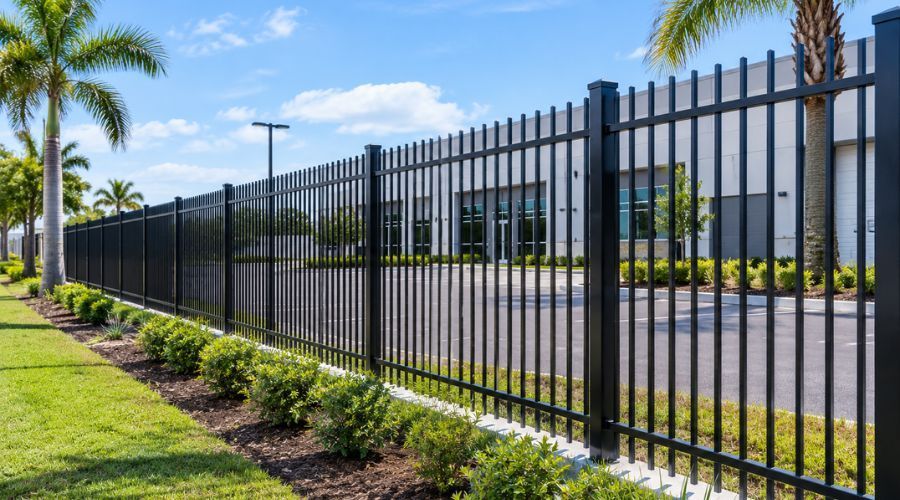
Aluminum Fencing

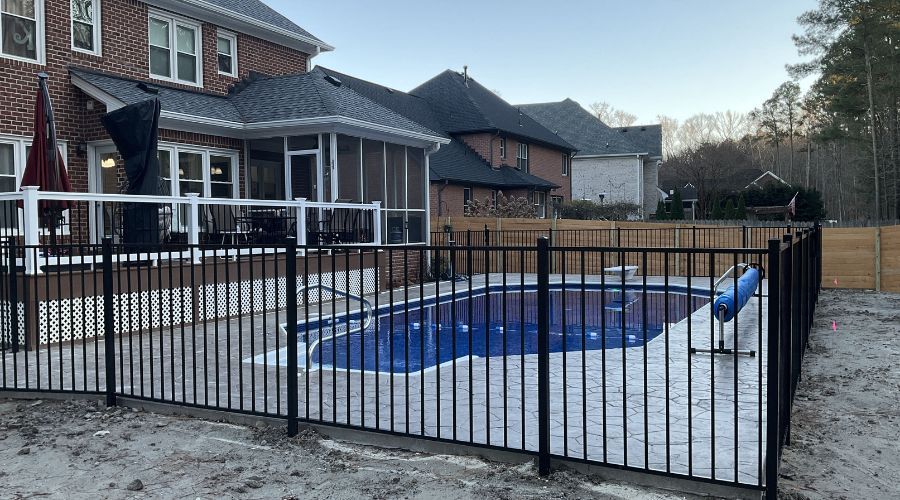
Aluminum fencing for coastal homes is solid. It's light, strong, and naturally resists rust. Aluminum doesn't absorb salt water like wood does. Aluminum fence installation is faster than wood. Maintenance is minimal. Paint it once every few years, and you're good. Wind-resistant fence designs using aluminum work well in Gulf Coast and Atlantic Coast properties. The material flexes without breaking. Hurricane season won't scare you.

Wood (With Caveats)

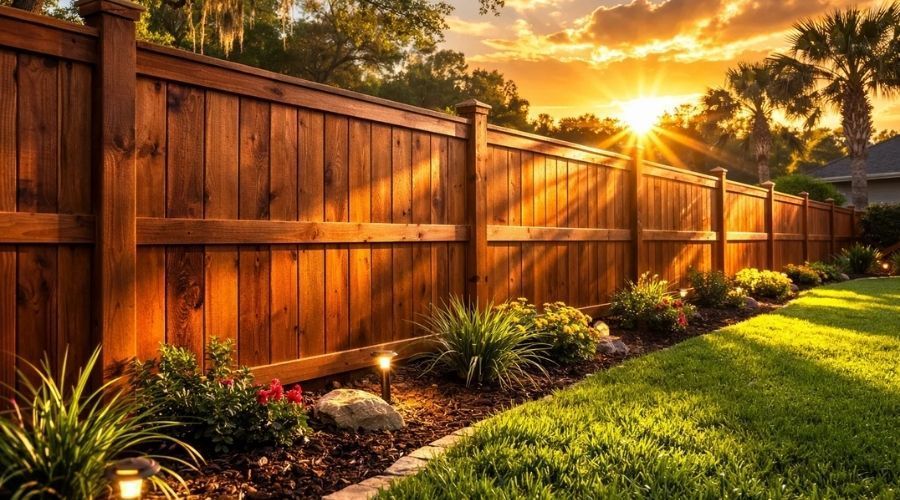
Wood looks beautiful. It's traditional. But coastal Florida? Wood and salt air don't mix well. If you love the wood look, get pressure-treated lumber or tropical hardwoods like ipe. They resist rot better. Treat the wood yearly with sealant to fight saltwater corrosion. This requires real work, but many homeowners do it.

Quick Comparison: Fence Materials for Coastal Areas

Material Rust Resistant Salt Air Resistant Hurricane Resistant Maintenance Lifespan
Vinyl Yes Excellent Very Good Minimal 20-30 years
Aluminum Yes Excellent Very Good Low 25-40 years
Wood No Poor Fair High 10-15 years
Composite Yes Good Good Moderate 15-25 years

Coastal Fence Maintenance Tips

You picked the right fence. Now keep it right.


1. Rinse your fence with fresh water every month during salt-heavy seasons

2. Check for loose posts or damaged sections before hurricane season

3. Trim trees and branches that could fall on your fence

4. Inspect corners and joints where water pools

5. Use mild soap and a soft brush for stubborn salt buildup

6. Keep gutters clean so water doesn't splash against your fence


Simple stuff. Nothing crazy. Just basic care that adds years to your fence's life.

Why St. Petersburg Homeowners Choose Smart Fencing

Coastal Florida gets serious weather. We're talking about hurricane season every year from June to November. Wind speeds hit 100+ mph. Rain comes sideways. Your fence is part of your home's defense. A weak fence means debris flying into your yard. Fallen sections mean repairs right when contractors are swamped. That's stress nobody needs. The best fences for beach houses aren't just pretty. They're tough. They're built for this climate. They handle what Florida throws at them.

FAQs About Coastal Fencing

  • How often should I replace a fence near the ocean?

    With the right materials like vinyl or aluminum, you're looking at 20 to 40 years. Wood might need replacement in 10 to 15 years. Choose smart materials, and replacements become rare events.

  • Can a vinyl fence survive a hurricane?

    Yes. Modern PVC fences flex in high winds instead of breaking. Proper installation is key, though. Posts need deep footings and solid concrete.

  • Is aluminum better than vinyl for salt air?

    Both handle salt great. Aluminum is lighter and slightly cheaper. Vinyl requires almost zero maintenance. Pick based on your style preference, not durability. They're both winners.

Ready for a Fence That Lasts?

Your coastal home deserves a fence that doesn't become a problem. Salt air, hurricanes, and strong winds won't phase the right installation. Hage Fence & Repair of TB, Inc. knows St. Petersburg and coastal Florida. We install fences that actually survive here. Vinyl, aluminum, or custom designs, we handle it all. Stop worrying about your fence. Let's build one that works. Contact Hage Fence & Repair today for a free consultation. We'll help you pick the best fence for your coastal home.

Recent Posts

White picket fence in a yard with a house visible in the background on a sunny day.
By Hage Fence October 30, 2025
Discover what a local St. Petersburg fence company can do for you. From custom design to installation, get expert, affordable fencing tailored to your needs.